


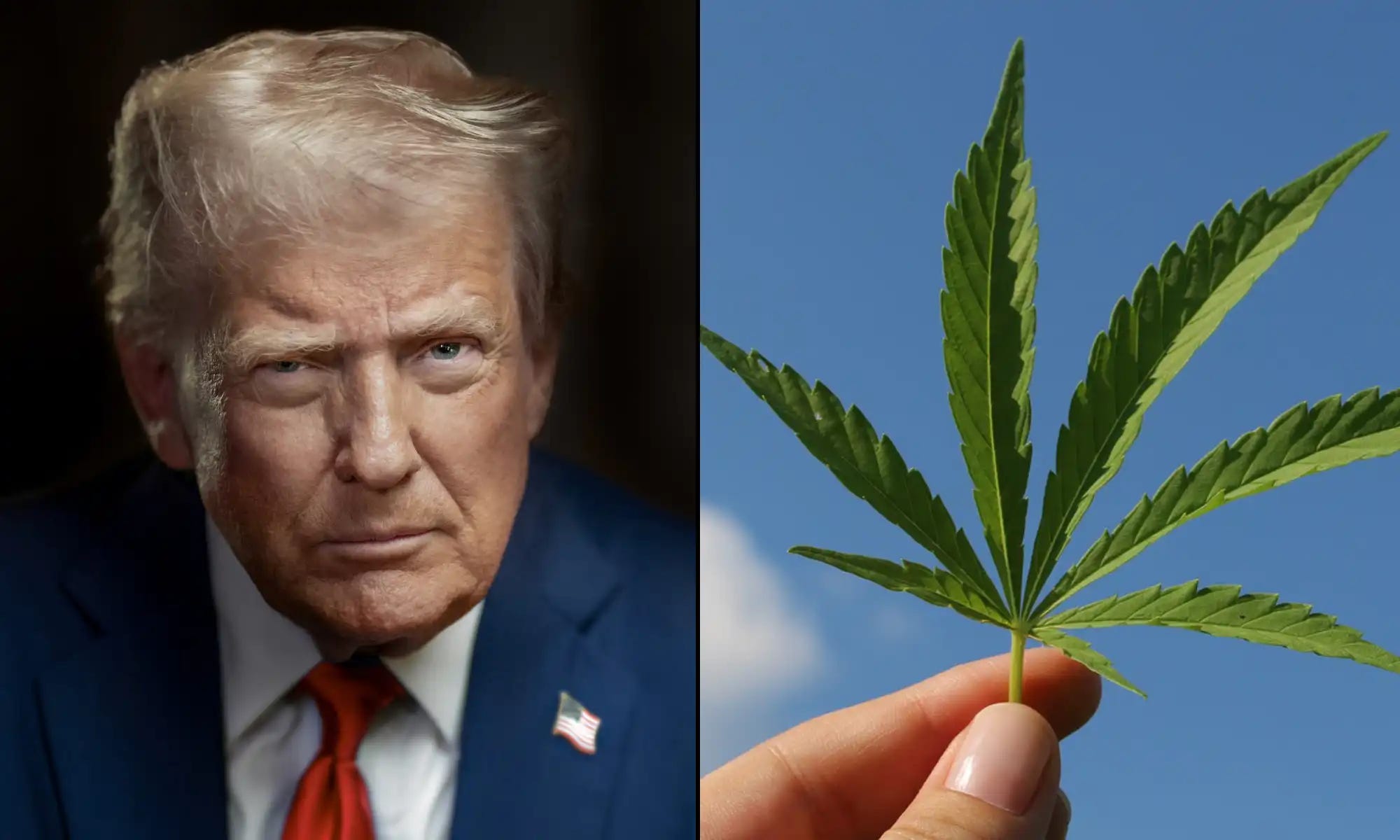
President Trump is working to give America’s hemp industry the breathing room it needs to expand, the same president who, during his first term, became the first to unlock the industry at the federal level by signing the 2018 Farm Bill. That law ended decades of prohibition on commercial hemp production, removed hemp from the Controlled Substances Act, and established the modern regulatory structure that allowed the sector to grow.
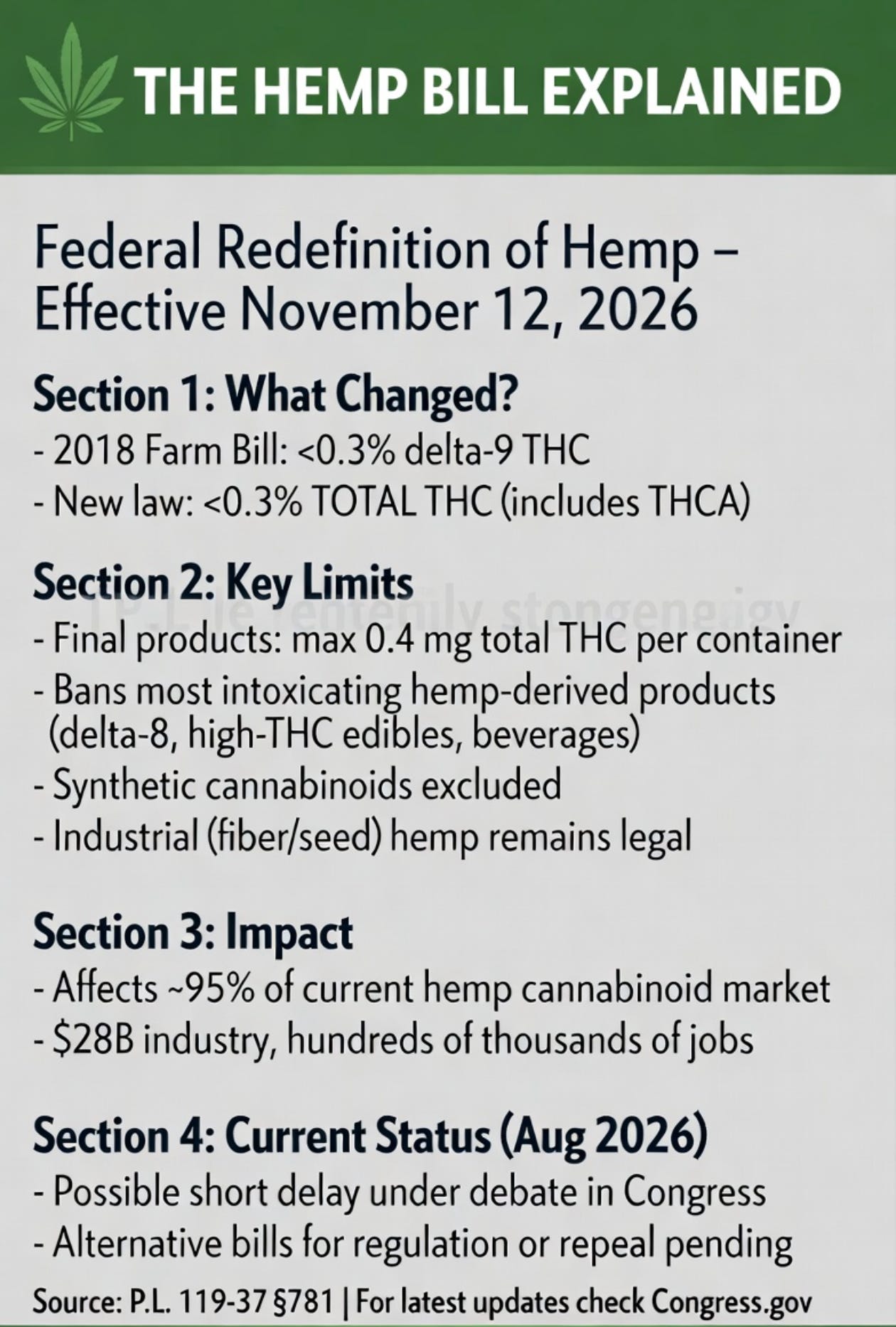
The original framework was later knocked down after a restrictive redefinition of hemp was quietly slipped into the November 2025 continuing resolution that reopened the government. The change was so tight that most hemp-derived THC products are now set to become illegal on November 12, 2026.
Rooted in agriculture, the industry today supports farmers and small businesses, sustaining approximately 300,000 jobs, generating more than $1.5 billion in state tax revenue, representing a market of about $28 billion.
The commander-in-chief personally called North Carolina Senator Ted Budd, who led the charge against the proposed delay.
Budd filed an amendment to strip the delay language out of the continuing resolution and lined up cosponsors, including Democratic Sen. Kirsten Gillibrand of New York. Both argued that the ban should take effect on the original schedule of November 12, 2026.
During a closed-door lunch, White House aides got an earful from senators who weren’t buying the extra month. A bipartisan coalition of 35 state and territory attorneys general also formally urged Congress to stick to the original November 12 schedule.
Despite that opposition, the Senate voted 61–32 early Saturday to table Budd’s amendment. The funding bill, which delays the ban until December 11, then passed 90–6 and now moves to the House.
The industry is urgently warning that hundreds of thousands of jobs and significant state tax revenue could disappear if products are pulled from shelves in November. Brewers in states like Minnesota, many of whom invested heavily in THC drinks, are particularly concerned.
White House officials frame the delay as a practical step. They are developing a broader framework for medical uses of THC products, especially for veterans, and say a sudden ban would complicate that work. The White House has said it will not push for another extension beyond December.
Still, that assurance hasn’t calmed the senators who see any delay as a gift to an industry they believe needs tighter rules, not more time. The spending bill was supposed to be a relatively smooth bipartisan exercise. It passed an early procedural vote without trouble, but the hemp fight slowed everything down.
For hemp businesses and farmers, the outcome carries real economic consequences. Industry leaders view the language as a temporary lifeline and are using the extra time to push for regulations instead of an outright ban.
The Senate passed its version of the continuing resolution on August 8, including a one-month delay of the hemp ban until December 11, 2026. The House, currently on its August recess, is scheduled to return the first week of September. Until it acts, the delay is not yet law, and the original November 12 deadline remains in effect.
Isn't it interesting that Democrats push hard for legalization of all types of drugs across the country, but as soon as a private industry begins actually profiting from it, they suddenly want more regulation. Is there nothing that Democrats (and RINOs) can't find a way to pollute, corrupt or destroy?
This is exactly where America First should be: regulate intelligently; do not destroy an industry by stealth. Farmers planted. Brewers invested. Small businesses hired. States collected revenue. Consumers bought lawful products. Then senators and attorneys general suddenly wanted the ban hammer to fall before a serious framework was built. Trump understands the practical stakes, especially for medical uses and veterans. The hemp industry does not need a free-for-all. It needs rules that distinguish legitimate commerce from bad actors without burning down 300,000 jobs to prove Congress can look tough. Give the market oxygen. Build the framework. Stop governing by ambush.