


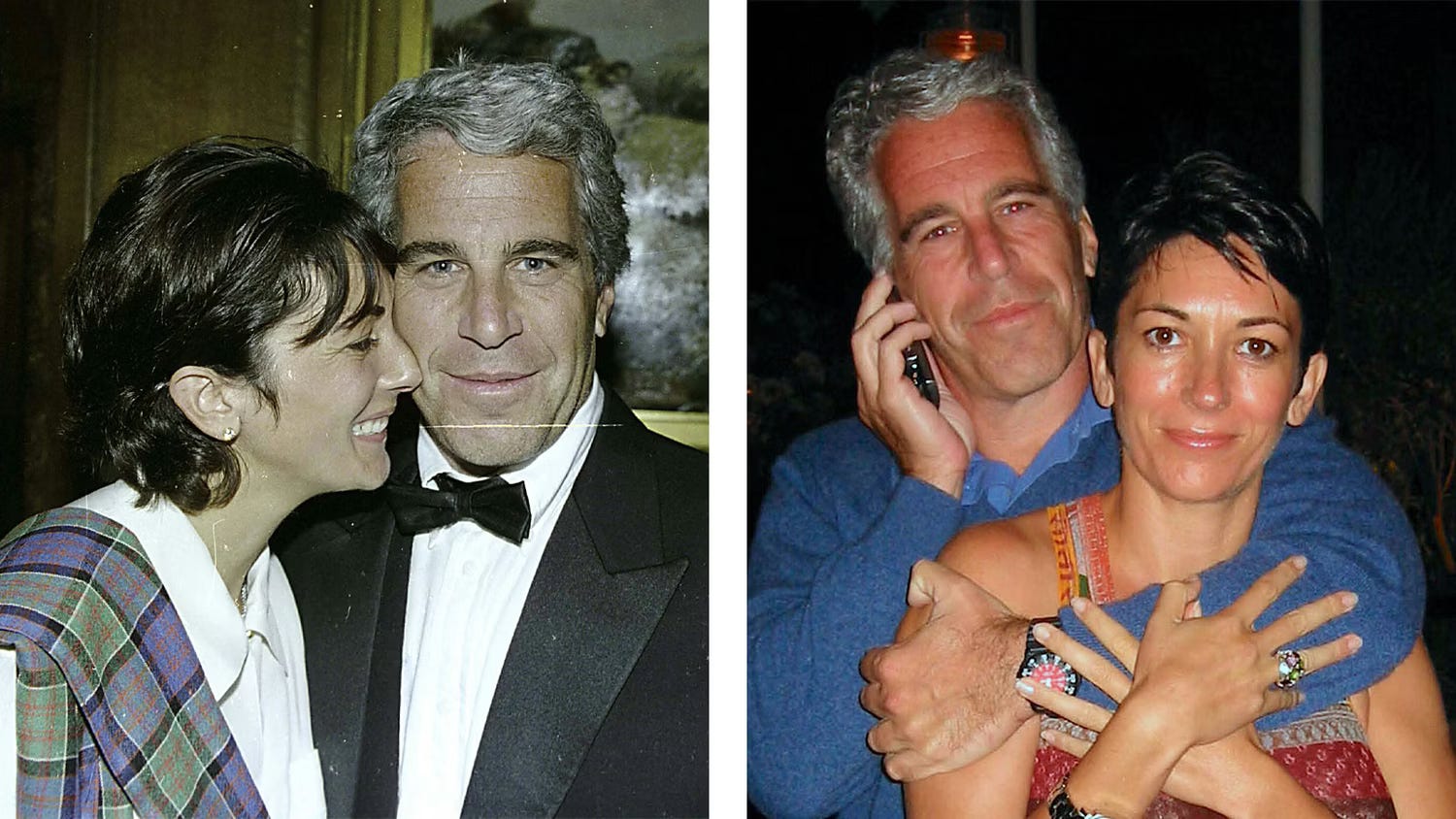
From her cell in a low-security federal prison in Texas, Ghislaine Maxwell, the British socialite convicted of aiding Jeffrey Epstein in his sex-trafficking operation, has taken a striking step of solitary by writing and filing a lengthy legal document herself, in a quiet bid to overturn her conviction and the 20-year sentence that leaves 18 years ahead.
On December 17, 2025, just hours before the federal government was scheduled to release thousands of pages of previously sealed Epstein-related documents, the 63-year-old submitted a 52-page habeas corpus petition to a federal judge in Manhattan. She filed it pro se, representing herself without legal counsel.
In measured but firm language, Maxwell argues that serious constitutional errors marred her 2021 trial. “The cumulative effect of these constitutional violations constitutes a complete miscarriage of justice, rendering Petitioner’s conviction invalid, unsafe and infirm,” she writes.
Maxwell is revisiting an issue that has shadowed her case since the trial, the possibility that one juror hid a personal history of sexual abuse during jury selection. “Subsequent interviews, new evidence and sworn statements confirm intentional concealment and actual bias,” the petition states.
More broadly, she contends that important evidence favorable to the defense was kept from the jury and that some testimony presented by prosecutors was misleading or incomplete. “In the light of the full evidentiary record, no reasonable juror would have convicted her,” she asserts.
Maxwell has long maintained that she was made to bear responsibility for crimes that were primarily Jeffrey Epstein’s. Epstein, the wealthy financier who built a network of sexual exploitation over decades, died in a Manhattan jail in August 2019 while awaiting his own federal sex-trafficking trial.
Maxwells nonprofit organization Terra-Mar was allegedly in environmental group but really served as a grooming pool for young victims of Epstein. The funding for the organization came 100 percent from the Clinton Foundation.
Prosecutors have portrayed Maxwell as his essential partner, the person who recruited, groomed, and sometimes participated in the abuse of underage girls, often under the pretense of offering legitimate massage work that quickly turned into sexual assaults.
At her six-week trial in late 2021, four women gave detailed, often emotional testimony about encounters that began when they were teenagers. The jury convicted Maxwell on five of the six counts she faced, including the most serious charge of sex trafficking of a minor. In June 2022, Judge Alison Nathan sentenced her to 20 years. Since then, Maxwell has pursued every available avenue to challenge the outcome.
Her attorneys argued Epstein’s controversial 2008 plea agreement in Florida, widely criticized as extraordinarily lenient, should have protected her from later federal prosecution in New York. They took that remarkably bold position through the district court, the Second Circuit Court of Appeals, and finally to the Supreme Court, which declined to hear the case in October 2025. With those doors closed, her direct appeals were exhausted.
The path Maxwell has now pursued, a motion under 28 U.S.C. § 2255, is one seldom taken and almost never rewarded with success. Known as a federal habeas corpus petition, it provides prisoners convicted in federal court a final opportunity to challenge the legality of their continued imprisonment. The petitioner must demonstrate that the conviction or sentence suffers from serious constitutional or legal flaws, often ones that could not reasonably have been raised during the trial or on direct appeal.
Judges tend to review these types of motions with considerable restraint, reserving relief for only the most exceptional situations where a clear and profound injustice has occurred. As a result, the vast majority of § 2255 petitions are denied, making this a narrow and difficult path for any inmate seeking to overturn a long-standing conviction.
In practice, success rates remain extremely low, typically in the low single digits, with estimates ranging from 1-4% leading to any form of relief (such as resentencing or a new trial), and even fewer resulting in full release. Consequently, this remedy offers a steep and unforgiving climb for prisoners hoping to challenge an established federal conviction years after their appeals have concluded.
The timing of Maxwell’s filing has drawn quite the attention, arriving just 48 hours before the Department of Justice’s deadline to disclose a large collection of Epstein investigative materials, as required by the Epstein Files Transparency Act, a bipartisan measure President Trump signed into law the previous month. The release is expected to include grand jury transcripts, witness interviews, financial records, and other documents that have remained sealed for years. Some observers wonder whether anything in those files might support Maxwell’s claims of withheld evidence, or, conversely, reinforce the government’s case.
Adding to the intrigue, Maxwell met privately last summer with a senior Justice Department official and was subsequently transferred from a higher-security facility to the more comfortable low-security prison where she now resides. No public explanation was given for either development.
Interrogating Maxwell is the brain child of Deputy Attorney General Todd Blanche rather than reassure the American people that President Trump has no personal vulnerabilities in the Epstein saga. The unorthodox move only created grated doubt; Maxwell also claimed that bill Clinton had never been to Epstein Island, a fact now disproven by leaked photographs, sworn, testimony from Epstein victims and FAA flight records.
The government is certain to oppose the petition vigorously, pointing to the strength of the evidence presented at trial and the testimony of the survivors. Advocates for victims emphasize that accountability, once achieved, should not be lightly undone.
With nearly two decades of imprisonment still ahead, Maxwell’s self-drafted challenge may linger in the courts for months or years. Most legal observers expect it to meet the same fate as her earlier efforts. Still, should the impending document release reveal anything unexpected, this carefully worded, prison-penned petition could gain new significance.
The Epstein-Maxwell story, woven through with powerful connections, unanswered questions about others who may have enabled or benefited from the abuse, and persistent doubts surrounding Epstein’s death, continues to hold a quiet but enduring place in public consciousness, reminding us how long the shadows of certain scandals can remain.
Maxwell’s petition is not about innocence. It is about exposure. She knows the odds are terrible, and she knows the courts hate reopening closed cases. But she also knows one thing: secrets die hard. Epstein did not build his operation alone, and Maxwell was never the apex predator. She was the firewall. The closer we get to unsealing the Epstein files, the louder the establishment screams “nothing to see here.” That alone tells you everything. If the case were clean, transparency would be painless. Maxwell is betting that sunlight burns people far more powerful than her—and that terrifies the Washington and Hollywood swamps.
Geshwell knew exactly what she was doing & as a result has to live with all the blood she help get killed & until she returns to hell with Satan!